Thinking about selling your Inlet Beach home but not sure where to start? You are not alone. Coastal properties ask a bit more from sellers, especially when it comes to timing, weather resilience, and short-term rental compliance. In this guide, you will learn how to prepare your home, pick the right moment to list, and organize documents that give buyers confidence. Let’s dive in.
Confirm your county first
Inlet Beach straddles two counties. Some parcels sit in Walton County and others in Bay County near Camp Helen State Park. County lines affect short-term rental rules, permitting, tourist taxes, and flood-map administration, so verify your county before you do anything else. You can use Bay County’s public resources to start your property-level verification and flood-map lookup in the county FAQs if your address is on the Bay side. Visit the Bay County FAQs to get oriented.
If you are selling a property that has operated as a vacation rental, collect proof of compliance:
- Walton County: The Short-Term Vacation Rental Certification program requires registration, a responsible-party contact, posting rules, and annual fees. Gather your certificate and recent rental records from the Walton County requirements.
- Bay County: Unincorporated areas require registration, inspection, and certificates. Pull your certificates, inspection reports, and records from the Bay County STR inspections page.
- Tourist Development Tax: Keep 12 to 36 months of receipts. Bay County’s rate is administered locally. Review filing details on the Bay County Clerk’s TDT page.
Having these documents ready streamlines buyer due diligence and supports your asking price, especially for income-producing homes.
Time your listing strategically
Understand seasonality
Buyer traffic and vacation demand surge from spring break through late summer, with quieter shoulder months in late fall and late winter. Regional visitor reports show strong spring and summer activity along the beaches. You can review recent seasonal patterns in the Panama City Beach quarterly report for context.
If you are marketing the home as a rental, investor-buyers will look at average daily rate and occupancy by month, not just annual totals. Platforms that track vacation rental analytics for the area, such as the AirDNA Panama City Beach overview, show pronounced month-to-month swings.
Quick timing guide
- Fastest exposure to vacation-minded buyers: List just before or early in the high-traffic window, typically late spring into early summer. Be ready to manage showings around bookings.
- Best rental-income evidence: Aim to list when you can present upcoming summer bookings and strong ADR, often late spring. Include a forward-looking revenue snapshot.
- Least disruption for showings: Target late fall or late winter when streets and beaches are quieter. Avoid peak spring break weeks for easier inspections and access.
Fixes buyers notice first
Exterior updates and light interior refreshes typically offer strong value when your goal is resale. National data shows curb appeal and minor kitchen work among the highest cost recoup categories. For context, see the Remodeling industry’s Cost vs. Value trends.
Prioritize these visible, high-perceived-value updates:
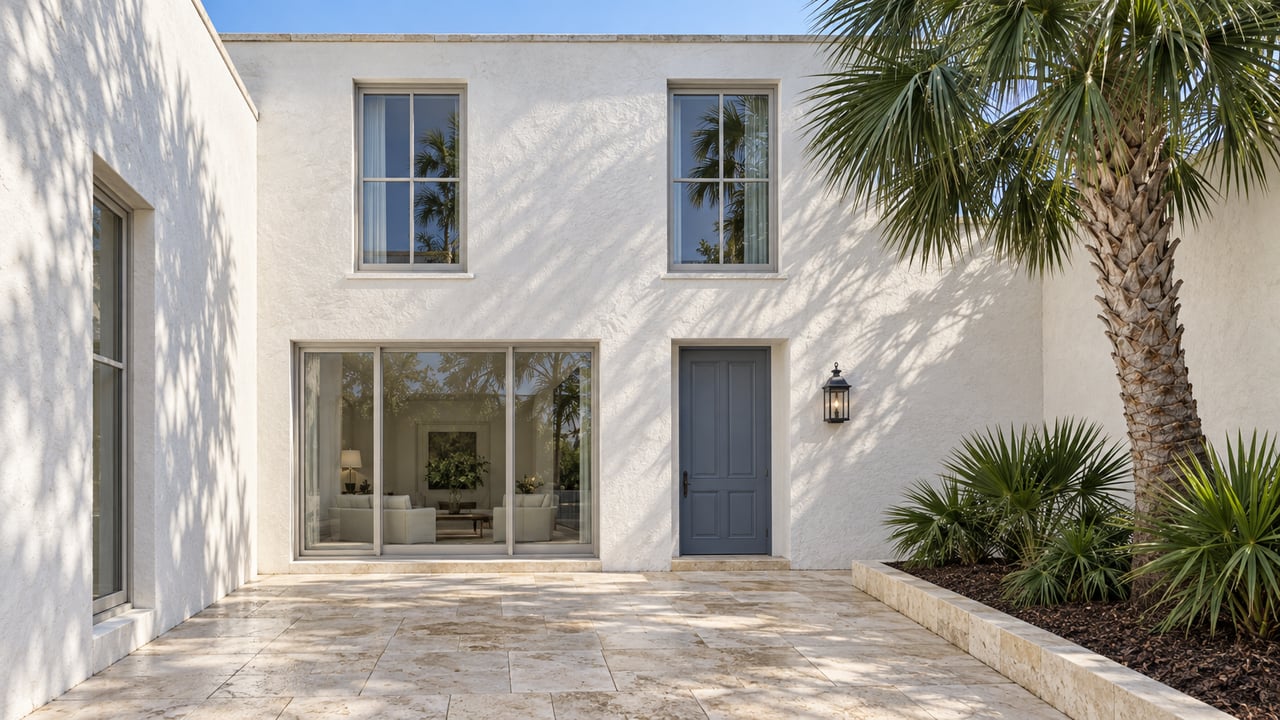
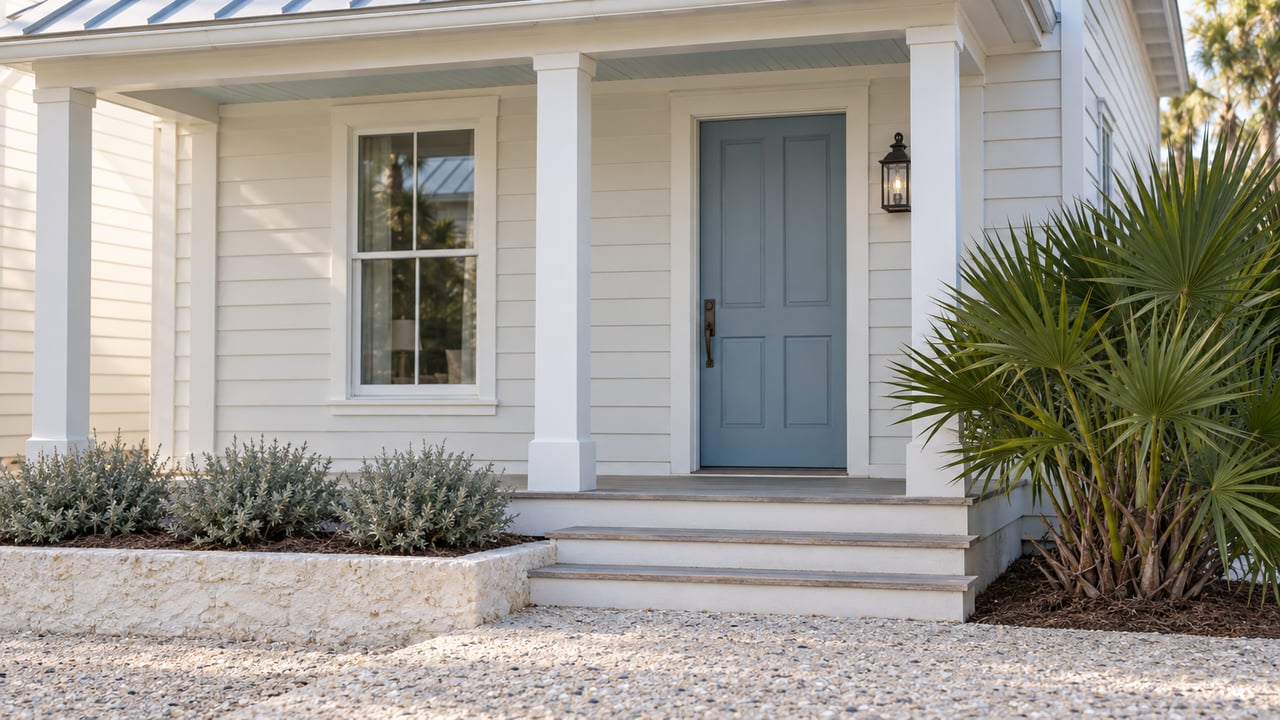
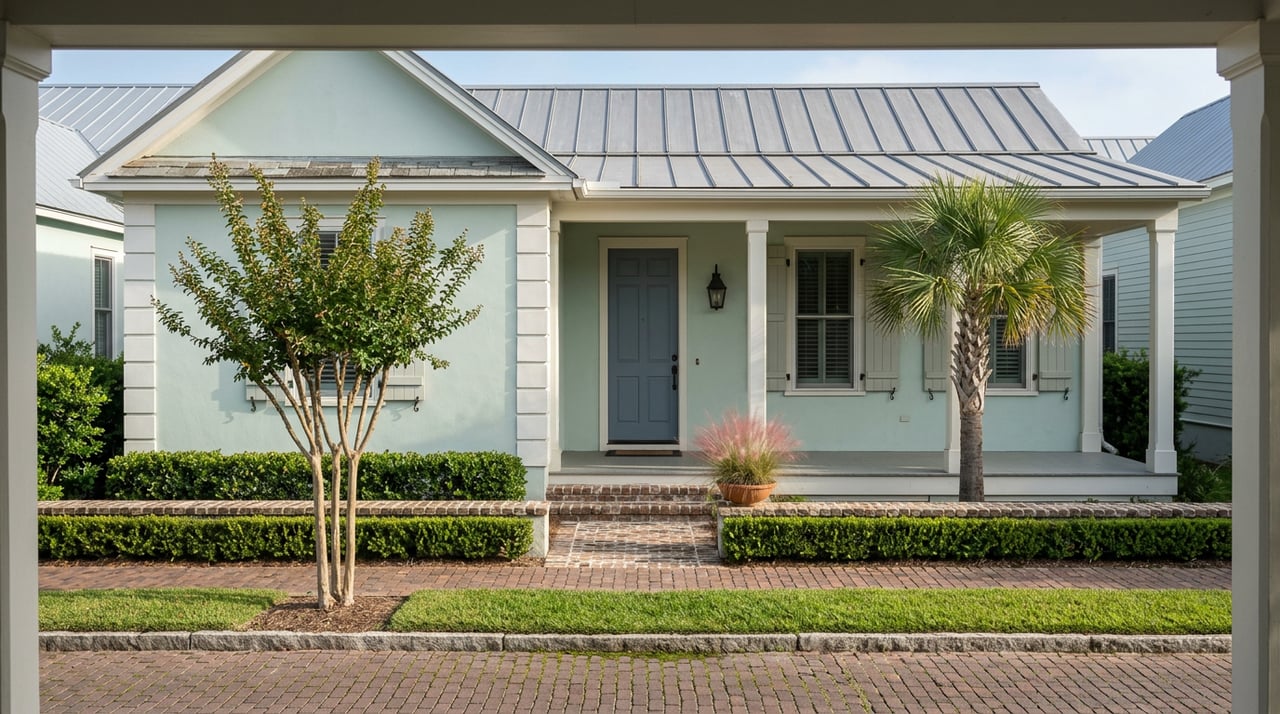
- Curb appeal: Fresh exterior paint, repaired siding, clean hardscapes, new house numbers, and a well-maintained entry. If you have a garage door or front door in tired condition, replacing or refinishing it can lift the entire façade.
- Kitchen and baths: Keep finishes neutral and clean. A minor kitchen refresh with updated hardware, a modern faucet, bright lighting, and freshly painted cabinets is often enough.
- Whole-home refresh: Neutral interior paint, updated light fixtures, and consistent hardware help photos pop and reduce buyer objections.
- Simple staging edits: Declutter, remove overly themed beach décor, and add subtle coastal textures. The National Association of Realtors highlights staging’s impact on buyer perception. Explore their staging guidance for ideas.
Prove resilience and maintenance
Roof, windows, and shutters
In coastal markets, buyers care about weather resilience. If you have impact-rated windows, hurricane shutters, or a newer roof, make that easy to verify. Florida insurers use a standard wind-mitigation form (OIR-B1-1802) to assess discounts. If you have had a recent inspection, include it. Learn more about wind-mitigation documentation from the Florida Office of Insurance Regulation.
Practical steps:
- Collect roof permits, invoices, and warranty documents. Note the roof material and age in your feature sheet.
- Show photos of shutters in place and confirm that hardware is operational.
- Place your wind-mitigation report in the digital buyer packet.
HVAC, humidity, and corrosion
Salt air accelerates corrosion on outdoor units and fixtures. Buyers appreciate proof of routine service. Document recent HVAC maintenance, filter and condensate-line service, dehumidifiers in use, and any corrosion-resistant upgrades such as stainless or marine-grade hardware.
Flood, elevation, and insurance
Many coastal properties fall within FEMA flood zones. Buyers often ask for a flood-zone determination, any elevation certificate on file, and summaries of current flood insurance premiums. If your Inlet Beach address is within Bay County, start with the Bay County FAQs to learn how local flood mapping and records are handled. Disclose any past storm damage and repairs with receipts and photos.
Stage for coastal buyers
Open the view and outdoor flow
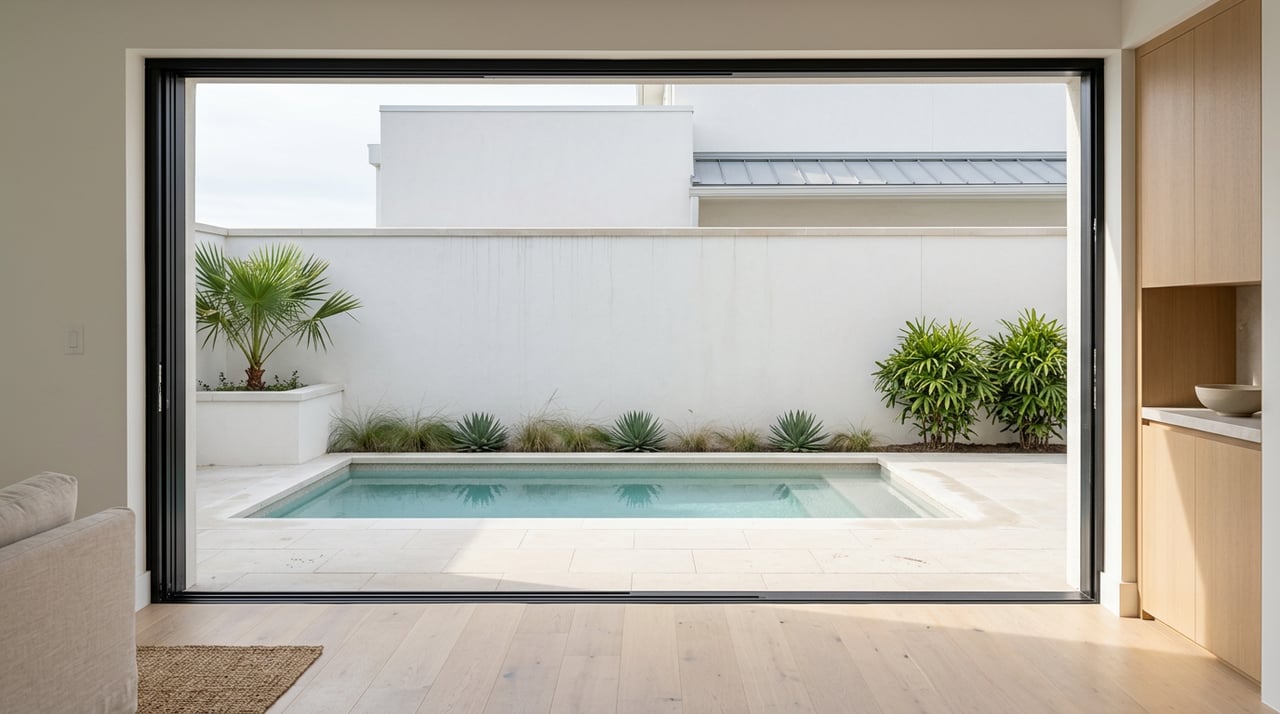
Rearrange furniture to draw eyes toward windows, balconies, and porches. Keep pathways to patios, boardwalks, or exterior gates open. Stage each outdoor area with clean seating, tidy cushions, and a clear purpose so buyers can picture life outside.
Neutral and durable design
Aim for light, neutral palettes with subtle coastal textures like linen, wicker, or light woods. Store away heavy themes or novelty décor. Add practical storage for beach gear near entries: hooks, bench storage, and bins for towels and boards.
Show resilience features
Place your wind-mitigation certificate, roof records, and shutter details in a simple buyer packet on the kitchen counter during showings. If you have storm panels, leave a labeled set and instructions so buyers know everything is in order.
Elevate your media and marketing
At the beach, standout visuals are essential. Plan these assets before you go live:
- Professional photography: Bright, well-composed images inside and out, plus a twilight exterior hero shot for curb appeal.
- Drone or aerial photos: Show proximity to beach access, Camp Helen State Park, and neighborhood context.
- Measured floor plan: Helps remote buyers understand flow, bedroom count, and potential rental layout.
- 3D or virtual tour: A 360-degree walk-through can pre-qualify out-of-market buyers and cut down on disruptive showings.
- Short listing video: A 30–60 second cut highlighting outdoor living, beach access, and key features can boost engagement across listing portals and social channels.
Prep your documents for buyers
Organize a clean, digital folder you can share with serious buyers. Include:
- County and STR compliance: Walton or Bay proof, plus certificates, inspection records, and rental registration history. See Walton County STVR requirements or Bay County STR inspections.
- Tourist Development Tax receipts: 12–36 months if sold as an income property. Review details on the Bay County Clerk’s TDT page.
- Wind-mitigation and roof docs: The OIR-B1-1802 form, roof age/permits, and any impact-window or shutter paperwork from the Florida OIR resources.
- Systems and maintenance: HVAC service logs, pool/spa service, and any pest or WDO reports.
- Flood and insurance: Flood-zone lookup, any elevation certificate, and current flood policy summary. Start with the Bay County FAQs for local map guidance.
- Rental operations (if applicable): 12–24 months of booking history, ADR and occupancy summaries, management and cleaning contracts, and a clear plan for transferring future bookings and deposits.
Two-week pre-list timeline
Use this simple sequence to stay on track.
Days 0–7
- Verify your county and pull property-level flood and elevation information. Start with the Bay County FAQs if applicable.
- Collect STR certificates, TDT receipts, recent maintenance records, and warranty documents.
- Book wind-mitigation and HVAC service if documents are outdated.
Weeks 1–3
- Complete visible, low-cost fixes: paint touchups, new hardware, updated lighting, and a deep clean.
- Stage interiors and outdoor areas. For ideas, review NAR’s staging guidance.
- Schedule photography, drone, and 3D tour capture dates.
1–2 weeks before listing
- Finalize listing copy and organize a simple revenue snapshot if you are marketing as a rental.
- Confirm your media is complete and your documents are saved to a shareable folder.
Week of listing
- Install fresh exterior pots or light landscaping. Make sure entry and garage doors operate smoothly.
- Prepare a printed feature sheet that highlights roof age, impact protection, beach access points, and HOA details.
Final thoughts
Inlet Beach buyers value light, livable spaces, outdoor access, and clear proof that the home stands up to coastal conditions. If you confirm your county early, time your launch around the calendar, handle a few smart updates, and organize a clean document set, you position your property to win on both presentation and peace of mind.
Ready to build a tailored plan for your address? Connect with The Lauderdale Group for a personalized 30A consultation and a marketing strategy designed for premium coastal listings.
FAQs
What should I verify first when selling in Inlet Beach?
- Confirm whether your property is in Walton County or Bay County, because STR rules, flood-map administration, and tourist taxes differ; start with the Bay County FAQs if your address is on the Bay side.
How do I show rental potential to investors?
- Provide 12–24 months of booking history, ADR and occupancy by month, and proof of local STR registration; you can reference market trends in the AirDNA PCB overview.
When is the best time to list for minimal disruption?
- Late fall or late winter typically brings fewer tourists, which makes showings and inspections easier compared to peak spring and summer.
Which updates usually pay off before selling?
- Focus on curb appeal, a minor kitchen refresh, neutral paint, updated lighting, and clean landscaping; see national ROI trends in Cost vs. Value.
What insurance-related documents do buyers want to see?
- A recent wind-mitigation report (OIR-B1-1802), roof age and permit history, any impact-window or shutter documentation, and current flood insurance summaries; learn more from the Florida OIR.