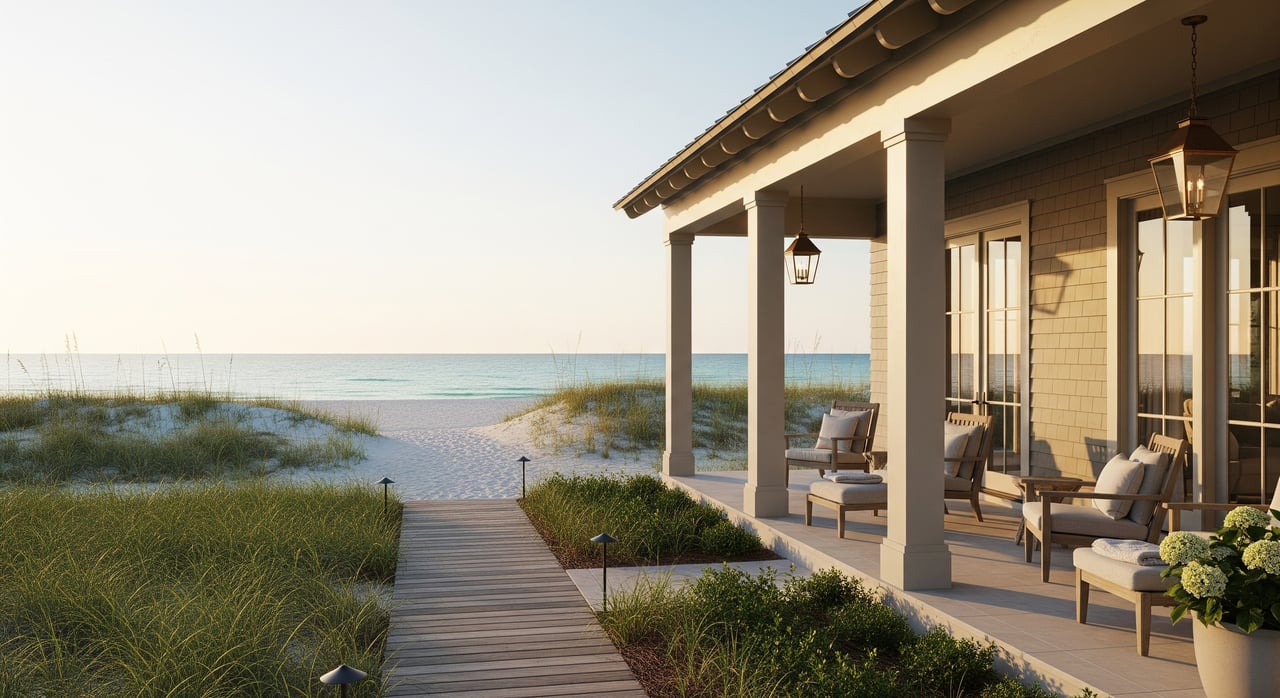
Trying to choose between WaterColor and Seaside for a vacation home on 30A? You’re not alone. Both sit side by side in South Walton and each offers a sought‑after coastal experience with strong rental appeal. The right pick comes down to how you plan to use the home, the lifestyle you want day to day, and what you expect from rental performance.
In this guide, you’ll compare vibe, amenities, rental dynamics, HOA and regulatory considerations, property types, insurance realities and practical checklists for tours and offers. By the end, you’ll know which community aligns with your goals and how to move forward with confidence. Let’s dive in.
WaterColor vs. Seaside at a glance
WaterColor and Seaside share dune‑backed beaches along County Highway 30A in South Walton. Both are coastal, bike‑friendly, and popular with vacationers. The similarities end once you look at daily life and how each neighborhood operates.
- Seaside is an iconic, compact, mixed‑use town designed for walking. You have immediate access to restaurants, shops, public greens and events, often within a few minutes on foot.
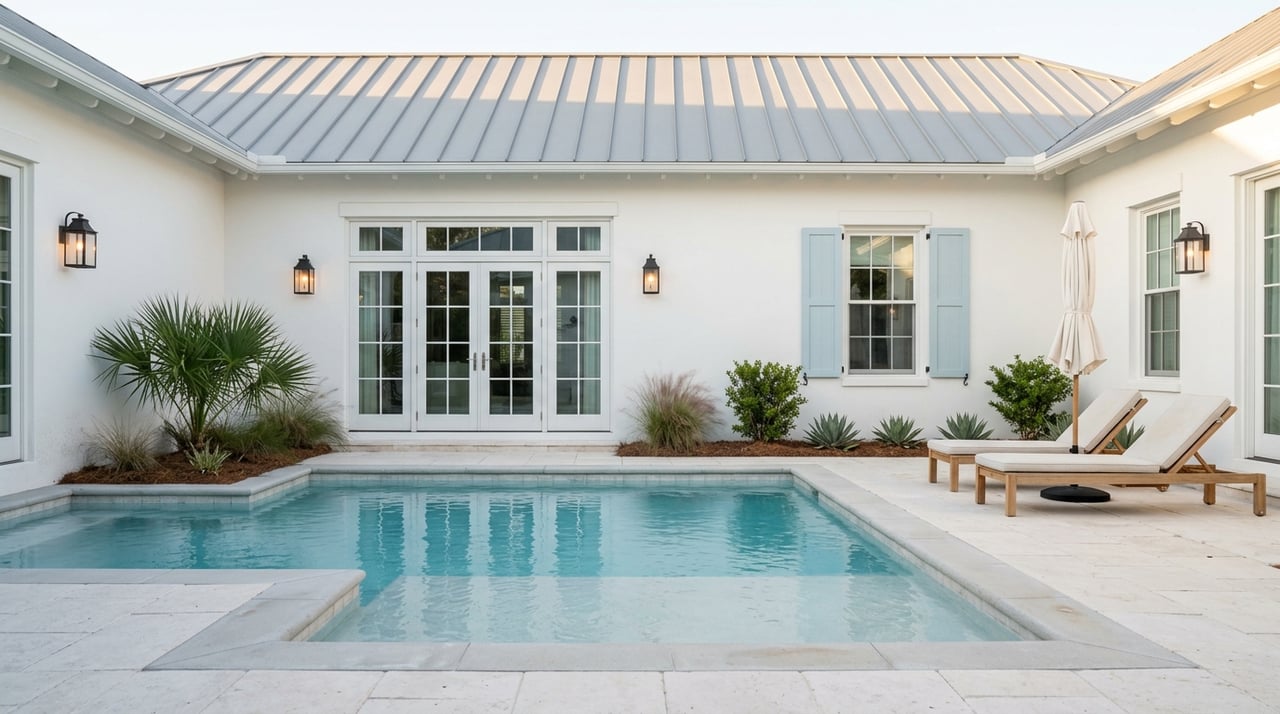
- WaterColor is a larger, master‑planned resort and residential community with multiple pools, trails, family programming and more separation between homes and commercial activity.
In general, Seaside commands a premium on a per‑square‑foot basis because of its brand recognition and walkable town center. WaterColor often offers larger homes and floor plans that work for multi‑family groups, which can change the total price versus price per square foot calculus.
Lifestyle and vibe
Seaside lifestyle
Seaside’s streetscapes are compact and pedestrian‑oriented. Cottages sit on narrow lots, porches open to lively walkways, and the town center buzzes with outdoor concerts and community events. If you want to step out your door and be at a cafe, boutique or a green in minutes, Seaside delivers that classic 30A town experience.
Foot traffic is part of the charm. You will see more visitors around you during peak weeks, which many owners enjoy for the energy and convenience. The flip side is a busier environment during festivals and holidays.
WaterColor lifestyle
WaterColor feels more resort‑residential. You will find multiple community pools, bike and walking paths, and family‑oriented programming like kids’ activities and family pool areas. Homes tend to be on larger lots with more parking and storage, which many groups value for longer stays.
The community design separates residences from concentrated commercial areas, so many streets feel quieter outside of peak periods. If you want a family base camp with robust amenities and space to spread out, WaterColor is a strong fit.
Amenities and logistics
Amenity access
- WaterColor offers multiple pools, beach services depending on property type, bike paths, and organized children’s programs. Some properties may include club privileges or require owner access fees, so review inclusions property by property.
- Seaside focuses on walkability to town amenities, public beach access and open green spaces. You will trade private resort facilities for immediate access to dining, shops and public events.
Parking and guest flow
Parking is a practical difference. Seaside’s smaller lots and narrow streets can limit private parking, which affects turn days and guest vehicles. WaterColor’s planned layout often includes more on‑site parking, which helps with larger groups, bikes and beach gear.
Peak season reality
Both communities experience heavy demand in late spring and summer. Traffic patterns, parking enforcement and dune walkover capacity can all tighten during peak weeks. If you plan to rent, consider these logistics when you set guest expectations and turnover schedules.
Rental demand and guest profiles
Seaside draws guests who want that famous town experience. Many are willing to pay premiums for location and the ability to walk to everything. Expect higher turnover intensity with smaller units and shorter stays during peak periods.
WaterColor’s guest profile often skews family‑oriented, with longer stays anchored by pools, trails and beach access. That can reduce turnover stress while keeping occupancy strong in peak season. Both markets follow similar seasonality, with high occupancy in late spring through summer, meaningful shoulder seasons in spring and fall, and slower winter periods outside of holidays.
If you plan to rent, consider professional property management. Seaside’s compact, high‑turn environment can be management intensive. WaterColor properties may be larger, which adds logistics, but the guest stay length can balance operational load.
STR rules and HOA considerations
Short‑term rental success depends on compliance. Both communities sit within Walton County and layer county rules with community covenants.
- County level: Expect transient rental registration, tourist development tax collection and remittance, and health and safety requirements. Understand local enforcement and penalties for noncompliance.
- Community level: Each HOA has covenants, architectural review processes and use restrictions that can affect exterior changes, accessory dwellings and rental operations.
Verify details by property rather than assuming a community‑wide standard. Key items to confirm:
- Whether short‑term rentals are permitted for the specific lot or unit.
- Minimum night stays, changeover day rules, occupancy limits, noise standards and guest registration processes.
- Any owner‑occupancy requirements or blackout periods.
- Whether a carriage house can be rented separately or only as part of the main home.
Request HOA rental rules, covenants, amendments and any enforcement history during due diligence. Keep copies of any county rental or occupancy permits on file.
Property types and floorplans
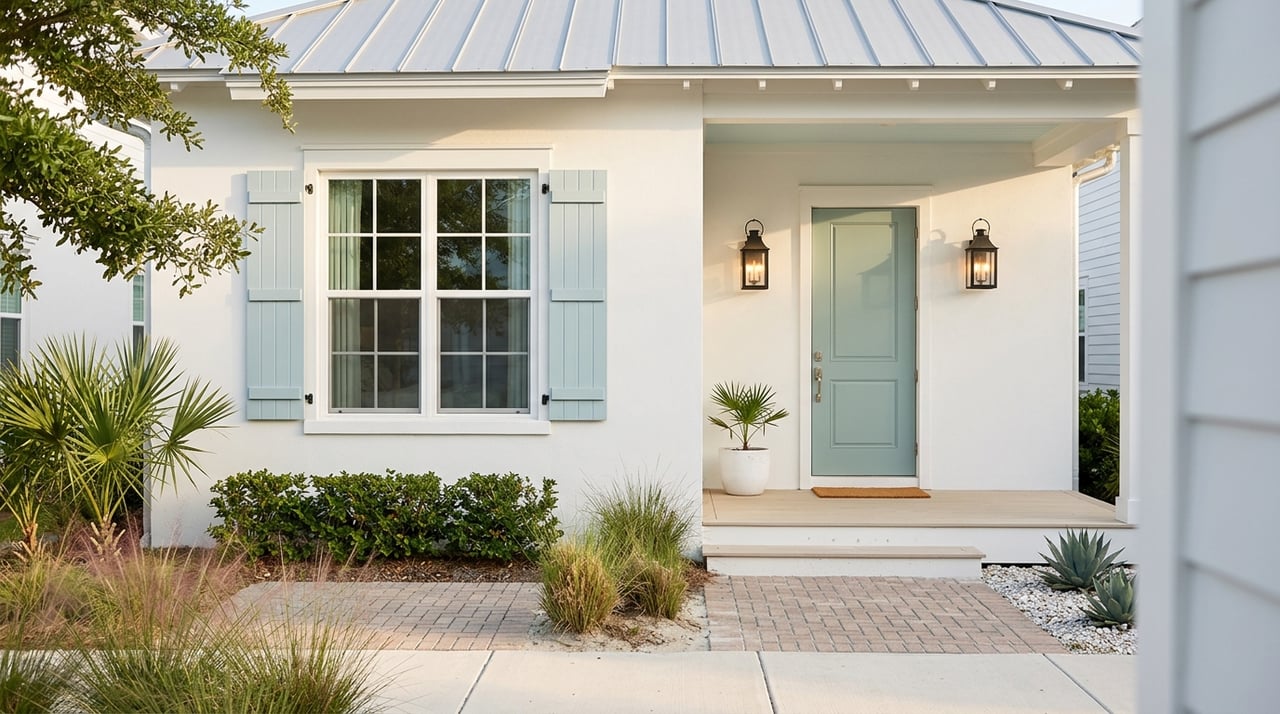
Seaside features smaller cottages and stacked designs on narrow lots, often with porches and guest quarters. It captures a cottage‑town feel that people associate with 30A.
WaterColor offers larger single‑family homes, clustered cottages and some duplex configurations. Carriage houses are common in both, and WaterColor options may be larger with more on‑site parking.
If you plan to renovate, factor in architectural review. Exterior changes or any conversion of accessory structures to short‑term rentals usually requires approval and can take time. Also evaluate utilities, separate metering for carriage houses if present, and egress and fire code compliance.
Valuation dynamics and price per square foot
Several factors shape value in both communities:
- Proximity to the beach and dune walkovers.
- Walkability to Seaside’s town center versus access to WaterColor’s amenities.
- Age, condition, finishes and structural elevation relative to FEMA flood zones, which affects insurance and resale.
- Rental history and occupancy, which investors will capitalize into value differently.
Seaside often reports higher price per square foot driven by brand prestige, walkability and a limited supply of larger lots. WaterColor’s larger floorplans can produce different math, since some buyers will accept a higher total price for more bedrooms and amenity access. Appraisals rely on close‑in community comps and distance to beach, and lenders may distinguish between second‑home and investment financing.
Risk and operating costs
You should evaluate wind and flood risk early. Many 30A properties sit in FEMA flood zones, so elevation and elevation certificates influence insurance options and lender requirements. Windstorm coverage is standard in high‑wind areas and can require certain construction or mitigation features.
Salt air, roof exposure and heavy HVAC usage add to maintenance budgets, especially for active rentals. Obtain homeowner, wind and flood insurance quotes as part of offers. Availability and pricing can vary based on elevation, age and mitigation details.
Which fits your goals?
Use these quick guidelines to align your choice with how you plan to use the home:
- Choose Seaside if you want the classic 30A town experience, immediate walk‑to‑everything convenience, frequent public events and a brand that commands strong guest demand.
- Choose WaterColor if you want resort‑style amenities, organized kids’ programs, larger lots and floorplans, and an environment that often serves multi‑family groups well.
Both can perform as rentals. Your outcome depends on legality, management approach, pricing discipline and how well the floorplan matches demand in each micro‑market.
Pre‑offer due diligence checklist
Collect these documents and data for an apples‑to‑apples comparison:
- HOA covenants, architectural review guidelines, rental rules and any special assessments.
- Parcel and tax records, including whether a carriage house shares the main parcel.
- Rental history, by month and platform, for 12 to 24 months with occupancy and average stay length.
- Enforcement records or rule changes that affect rentals or occupancy.
- Recent community‑matched comps within the same neighborhood and similar distance to the beach.
- Utility details, including separate meters for accessory units and any easements.
- Building condition data, roof and HVAC age, inspections and any mold or pest history.
- FEMA flood zone designation and elevation certificate.
- Insurance quotes for wind, flood and homeowners coverage.
- HOA meeting minutes for pending litigation or community disputes.
- Property management quotes, cleaning fees and realistic operating expenses.
Plan your tours and questions
Bring these prompts to your agent, the HOA and the seller so you can verify key assumptions:
Questions for the HOA or management
- Can you share current covenants, rental rules and recent amendments?
- What is included in HOA dues, such as beach access or amenity services?
- Is there a history of fines or enforcement related to rentals or noise nearby?
Questions for the seller or listing agent
- Can you provide 12 to 24 months of rental revenue, occupancy and average daily rates by month?
- How are utilities set up for any carriage house, are there separate meters?
- Have there been changes to dune access or planned changes to beach walkovers?
On‑site inspection prompts
- Check parking capacity for peak guest counts and turn day logistics.
- Evaluate access for cleaning and maintenance crews.
- Note distance to the nearest beach walkover and potential noise from main roads or event spaces.
- Review elevation certificates, wind mitigation reports and recent system inspections.
- Confirm HVAC sizing and condition, plus finish materials that withstand heavy rental use.
Make a confident 30A choice
There is no wrong answer between WaterColor and Seaside, only the home that best fits how you live and how you plan to host guests. If you love a lively, walkable town rhythm and iconic charm, Seaside is a standout. If you want a family‑forward base with pools, trails and space to stretch out, WaterColor shines.
When you are ready to compare specific homes, build a rental pro forma, and validate HOA and county rules, connect with a local advisor who knows both communities in detail. For tailored guidance and a curated search, reach out to The Lauderdale Group for a personalized 30A consultation.
FAQs
What are the biggest lifestyle differences between WaterColor and Seaside?
- Seaside is a compact, walkable town with immediate access to shops, events and public greens, while WaterColor offers a resort‑residential feel with multiple pools, trails and family programming.
Which community typically offers larger homes and more parking?
- WaterColor generally features larger floorplans, bigger lots and more on‑site parking compared with Seaside’s smaller lots and narrow streets.
How do short‑term rental rules differ between the two?
- Both layer Walton County regulations with HOA covenants, so rules vary by property, verify rental permissions, minimum nights, occupancy limits and any guest registration requirements.
When is peak rental season on 30A for both communities?
- Late spring through summer is typically peak, with meaningful demand in shoulder seasons and slower winter months outside of holidays.
What factors drive valuation and price per square foot?
- Proximity to beach access, walkability or amenity access, age and finishes, FEMA elevation and rental history all influence pricing and appraisal.
What risks should I evaluate before buying a vacation home here?
- Review FEMA flood zones and elevation certificates, windstorm requirements, insurance availability and ongoing maintenance needs related to salt air and heavy HVAC use.