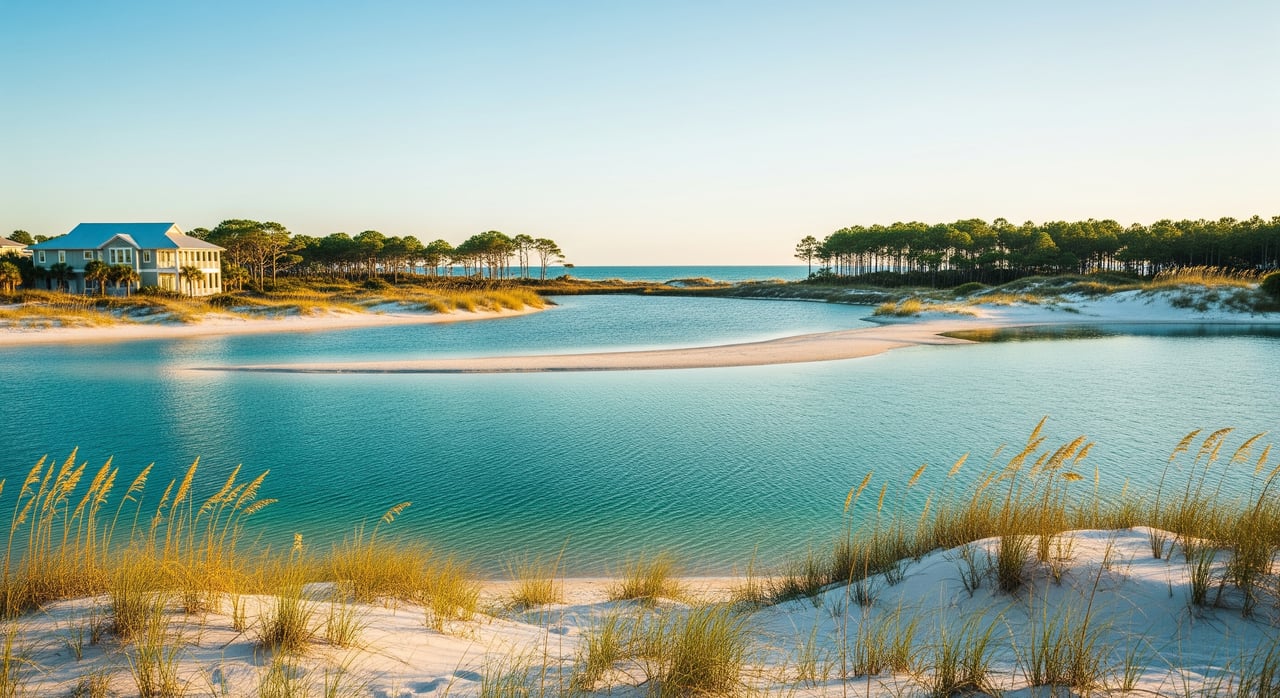
If you are eyeing a home in WaterColor and keep hearing about coastal dune lakes, you are not alone. These lakes shape daily life along 30A in ways that surprise many out‑of‑state buyers. Understanding how they work can help you choose the right home, plan your activities, and protect your investment.
In this guide, you will learn what makes coastal dune lakes rare, how Western Lake anchors the WaterColor lifestyle, and which practical questions to ask before you buy. You will also get a clear checklist to use during due diligence so you can move forward with confidence. Let’s dive in.
What are coastal dune lakes
Coastal dune lakes are shallow lakes tucked behind the beach dunes where freshwater from the land meets salt water from the Gulf during natural inlet openings. They are uncommon worldwide and found in only a handful of places, including northwest Florida. Their water can shift from fresh to brackish depending on rainfall, groundwater, and whether the beach inlet is open.
That mixing drives a living system that changes through the seasons. After heavy rain or a storm, the lake level and clarity can shift. When the inlet opens, fish can move in and out, and water chemistry changes. When it closes, the lake can become calmer and fresher again.
These lakes also support important wetlands and dune vegetation. That habitat helps buffer storm surge, filter nutrients, and reduce erosion. For you, it means a landscape that is both beautiful and dynamic right outside your door.
Why the dynamics matter
Because conditions change, your experience on the water will change too. On a calm, closed‑inlet day, you may enjoy glassy paddling and clear shoreline views. After a storm or inlet opening, you may notice shifts in color, salinity, or mild odors that can occur with natural algal activity. These changes are part of how the system functions and often pass as conditions stabilize.
Recreation and wildlife
Coastal dune lakes provide calm water for kayaking, paddleboarding, and canoeing. They function as nurseries and feeding areas for fish and attract wading and migratory birds. If you value quiet water and birdwatching in the morning and a beach walk in the afternoon, a dune lake setting may be a great fit.
Western Lake in WaterColor
Western Lake is WaterColor’s signature natural feature. The community wraps around this lake, which creates scenic views, walking connections, and easy access to both the lake and the Gulf. Many homes enjoy short routes to the beach while also being steps from calm water.
A daily-life centerpiece
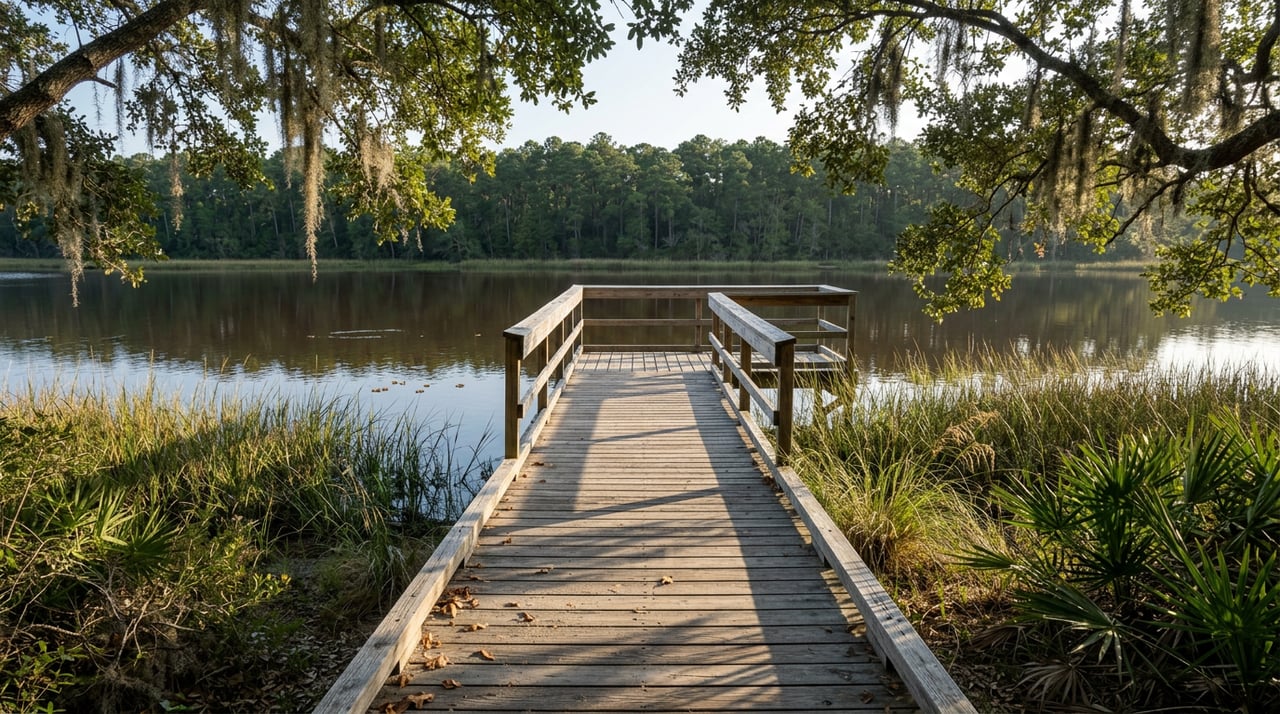
Around Western Lake, you will find lakeside parks, pathways, and spots suited to picnics, casting a line from shore, and sunset viewing. Non‑motorized recreation is the norm, which keeps the setting peaceful. Residents often start with a paddle at sunrise, then head to the beach later in the day.
Lake-to-Gulf connectivity
Western Lake’s inlet opens and closes with seasons and storms. When it opens, salinity increases and some fish move between the lake and the Gulf. Water levels, clarity, and even the beach shape can change. Expect variety across the year and plan activities around those shifts.
Rules and stewardship
Properties in WaterColor fall under community covenants, county rules, and state environmental protections. Shoreline work, docks, and motorized craft may be restricted. Homeowners’ associations often coordinate resident education, shoreline care, and habitat protection. Always review the specific HOA guidelines and county regulations for any property you are considering.
Lake and beach access benefits
Living by a dune lake is different from living only on the Gulf. You get quiet water on one side and wide sandy beaches on the other. That mix supports a slower morning pace and active afternoons.
Recreation you can expect
- Paddling: Kayaks, paddleboards, and canoes are common.
- Fishing: Inshore and estuarine species are possible, especially when the inlet is open. Conditions vary with salinity.
- Trails and viewing: Lakeside paths support daily walks, birding, and running.
- Beach time: Defined access points lead you to the Gulf. Some are community‑only while nearby public parks serve visitors.
Social spaces and walkability
Lakeside parks and trails encourage casual gatherings and a neighborhood feel. Many residents meet along the paths, on the docks where permitted, and in common green spaces. The layout makes it easier to move between your home, the lake, and the beach by foot or bike.
Value drivers to weigh
Lakefront and lake‑view properties often command a premium for views, privacy, and direct access to recreation. Proximity to both the lake and the Gulf is a distinctive draw for second‑home buyers. Balance that appeal with practical considerations like seasonal water variability and flood‑related insurance costs.
Risks, rules, and due diligence
Every coastal setting comes with responsibilities and risks. With coastal dune lakes, you will want to understand water quality, storm impacts, flood zones, and permitted uses before you buy.
Water quality and seasons
Nutrient runoff from landscaping, stormwater, and septic system issues can affect lake health. After heavy rain, you may see temporary changes such as algal blooms. County and state agencies and local conservancies may issue monitoring updates. Ask for recent reports during your review.
Flooding and insurance
Properties near the lake and Gulf can be exposed to flooding from storm surge, high tides, and heavy rain. FEMA flood maps and elevation certificates determine flood zone status and insurance requirements. Request an elevation certificate and discuss premiums with an insurance professional. Ask sellers for any history of flood or storm damage.
Local restrictions to confirm
- Boat and motor rules may limit use of gas engines and dock construction.
- Setbacks and dune protections regulate building near the shore.
- Shoreline work often requires permits from county and state agencies.
- Sewer connections vs. septic systems can influence inspections and maintenance.
Buyer checklist
Use this list to guide your property review:
- Visit the lake during different conditions: inlet open, inlet closed, after a storm, and during dry periods.
- Request recent water quality reports and any history of algal blooms or closures.
- Review HOA covenants for docks, boat storage, motor use, landscaping, and shoreline work.
- Confirm sewer vs. septic and obtain past inspection and maintenance records.
- Ask about any recorded shoreline stabilization, easements, or conservation restrictions that could affect views or building rights.
- Obtain the FEMA flood zone designation, an elevation certificate, and a recent flood insurance estimate.
- Verify Walton County permitting requirements for docks, seawalls, and structural additions.
- Check local ordinances related to noise, boating, and amenity hours.
- Map the route between the home, the lake, and the beach to assess walkability and bike access.
- Identify nearby public beach access points and community‑only access rules.
How to know if it fits you
If your ideal day mixes quiet time on calm water with a beach sunset, WaterColor near Western Lake will likely fit your lifestyle. The key is understanding the lake’s natural rhythm and how that influences your routines. Spend time in the neighborhood, talk to the HOA about rules and stewardship, and confirm flood and insurance details early in the process.
When you are ready to explore WaterColor homes and compare locations around Western Lake, connect with a team that knows 30A and the lake dynamics well. For tailored guidance and on‑the‑ground insight, reach out to The Lauderdale Group.
FAQs
What is a coastal dune lake and why is it rare?
- It is a shallow lake behind beach dunes where freshwater mixes with Gulf water through a natural inlet, a system found in only a few regions worldwide including northwest Florida.
How does Western Lake’s inlet affect daily life in WaterColor?
- Inlet openings and closures change salinity, water level, clarity, and fish movement, which can influence paddling conditions, fishing, and the shape of the beach.
Are motorized boats allowed on Western Lake in WaterColor?
- Non‑motorized craft are typical, and community covenants and county rules may restrict motorized boats and docks, so confirm the specific rules for your property and HOA.
Will living near a coastal dune lake affect insurance costs?
- Properties near the lake and Gulf can fall in higher flood zones, so you should obtain an elevation certificate and a flood insurance estimate during due diligence.
What water quality issues should I ask about before buying?
- Request recent monitoring reports and ask about any history of algal blooms, nutrient runoff concerns, or temporary closures following storms or heavy rain.
How close are WaterColor homes to both the lake and the Gulf?
- Many homes offer quick access to Western Lake paths and defined beach access points, but exact distances and access types vary by location within the community.
What permits might I need for shoreline work or docks?
- Shoreline alterations typically require county and possibly state permits, and HOA approval, so verify requirements with Walton County and your association before planning any work.