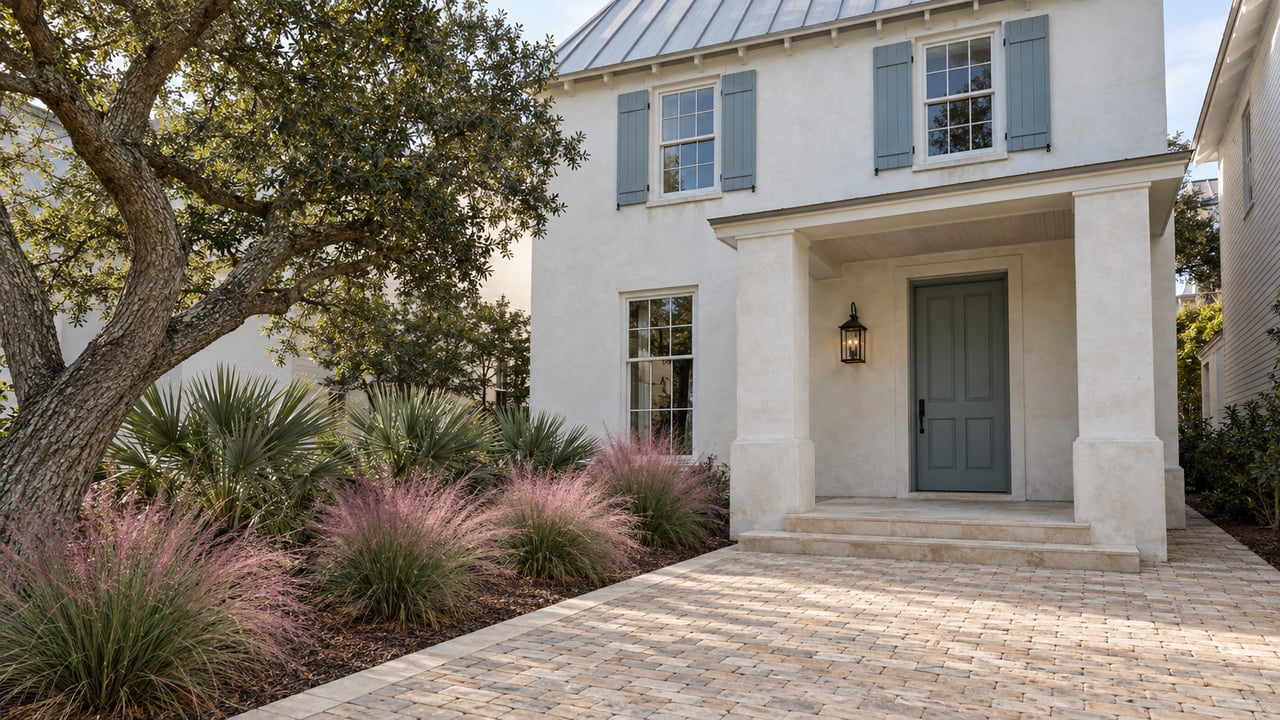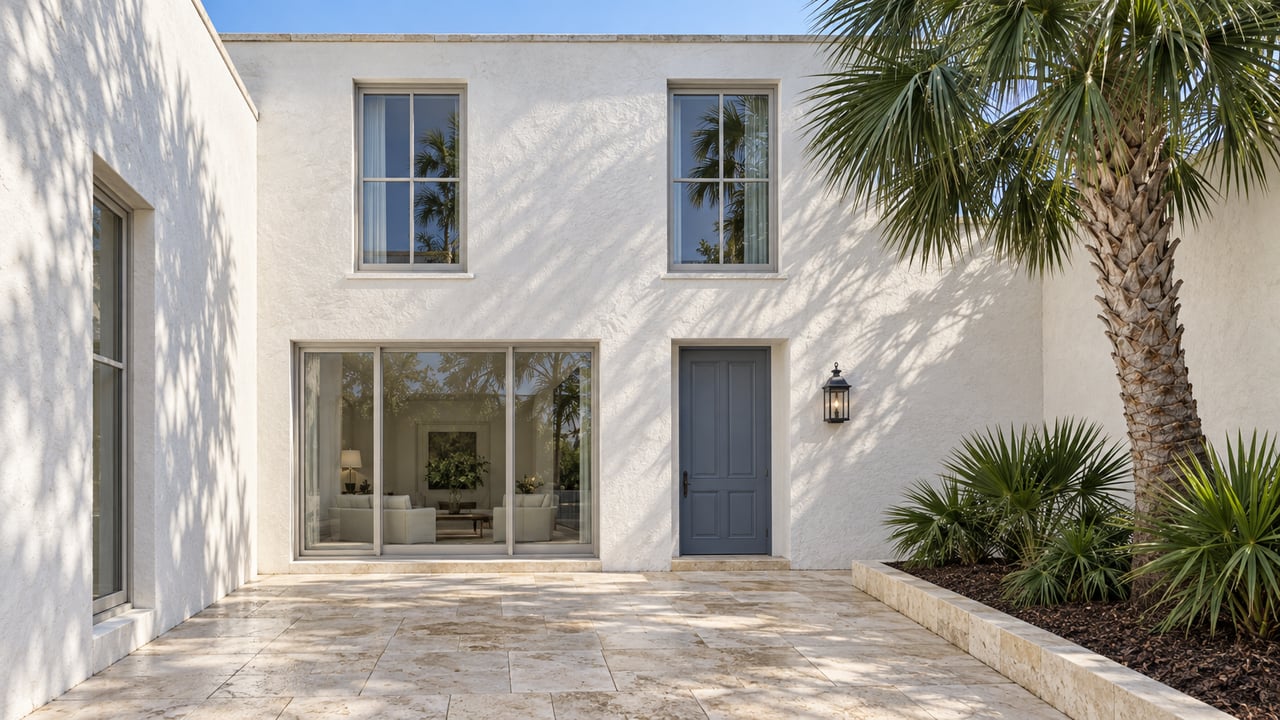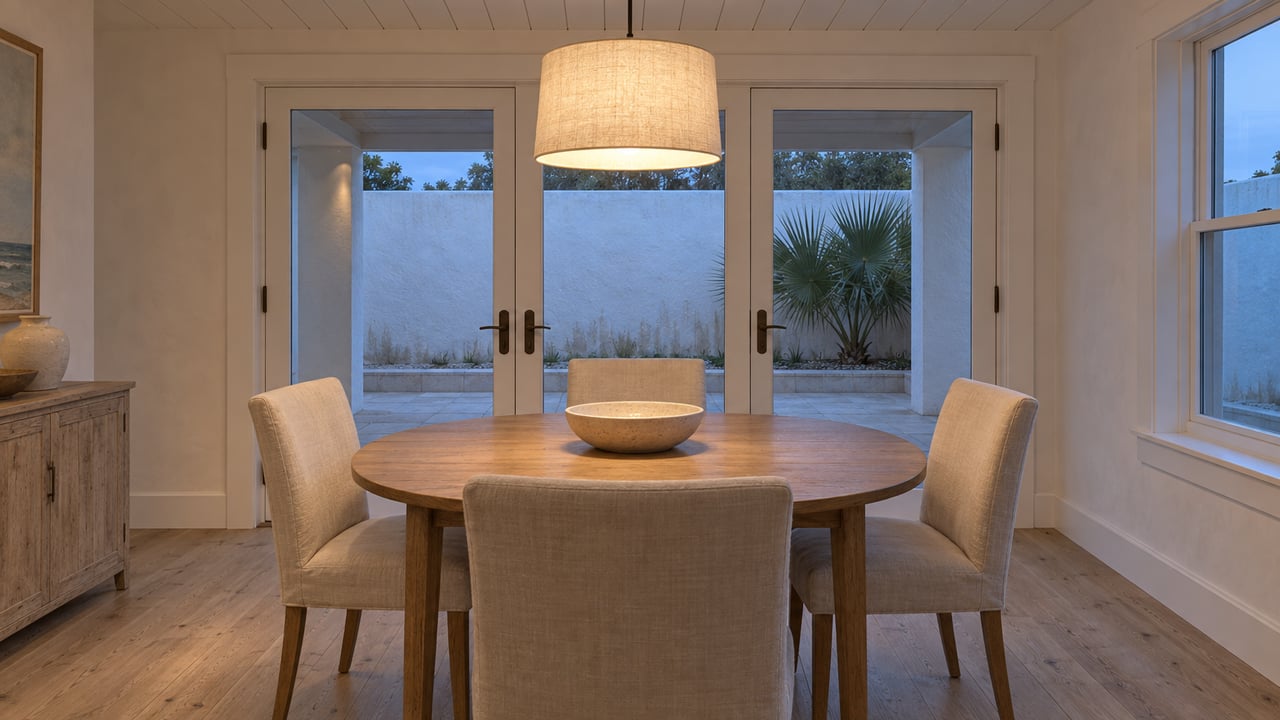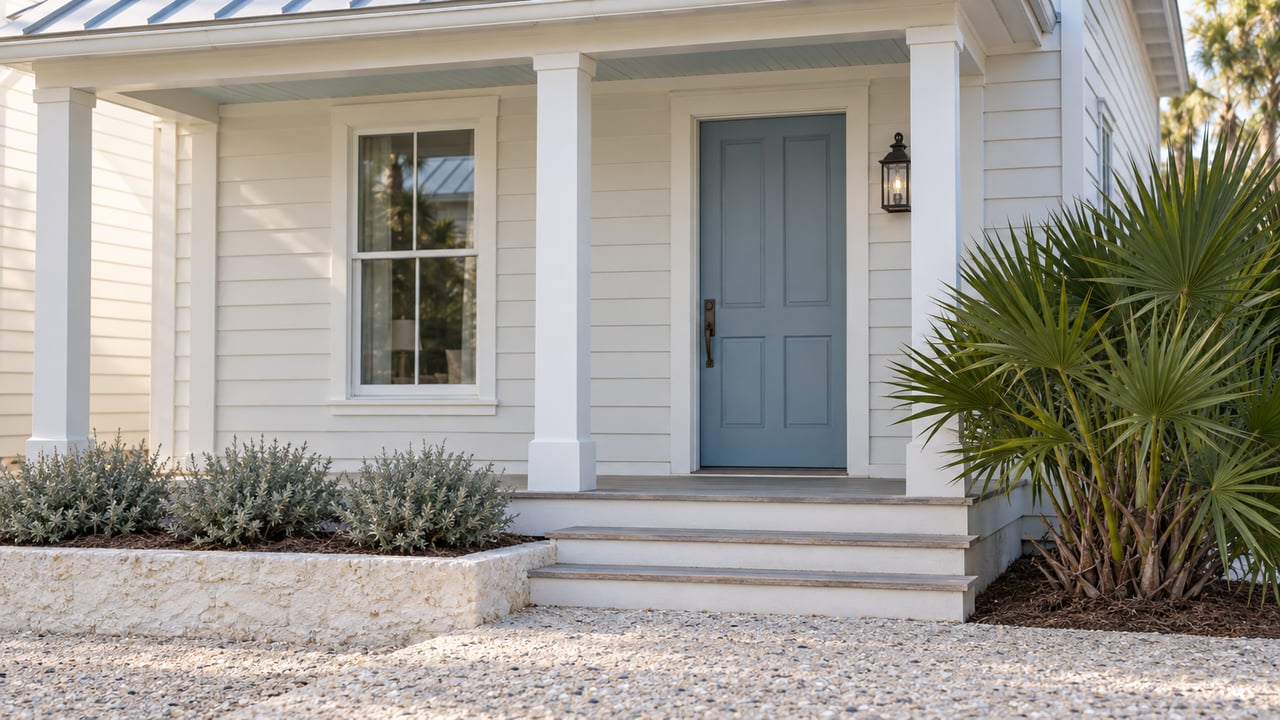
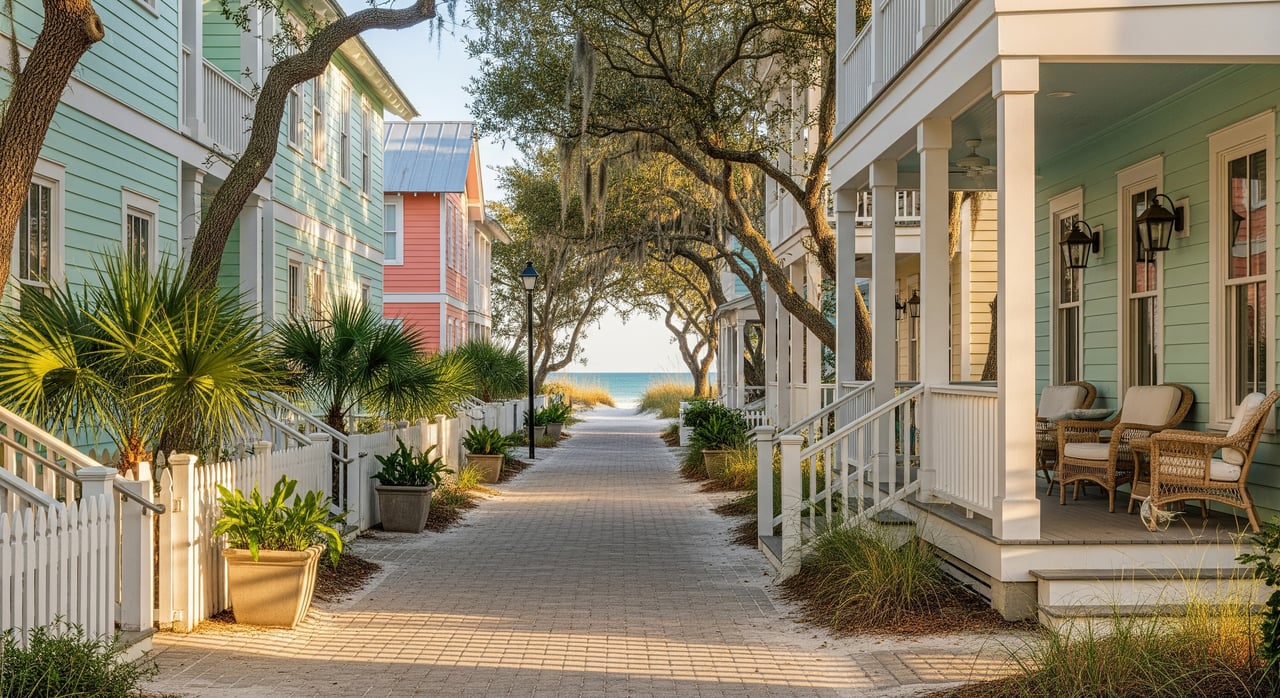
Picture your morning starting on a front porch, coffee in hand, with a five-minute stroll to the beach and breakfast. If that sounds like the coastal pace you want on 30A, Seaside offers a clear example of how town design shapes daily life. You will find easy walkability, lively public spaces, and a consistent architectural look that many buyers love. In this guide, you will learn what New Urbanism means in Seaside, the tradeoffs to consider, and a practical due diligence checklist to help you buy confidently. Let’s dive in.
What New Urbanism Means
New Urbanism is a planning approach that brings homes, shops, and civic spaces close together so you can navigate daily life on foot or bike. It emphasizes short blocks, connected streets, and buildings scaled to people rather than cars. National leaders like DPZ and the Congress for the New Urbanism have helped define these principles for decades. Seaside is one of the early and most-cited examples.
Core design principles
- Walkability with short blocks, sidewalks, and direct paths to amenities.
- Mixed-use centers where dining, retail, and civic spaces sit near homes.
- Human scale with porches and front doors facing the street.
- Connectivity through a fine-grained street network that slows cars and favors biking.
- Civic spaces like greens, plazas, and amphitheaters that anchor community life.
Why design codes matter
Seaside’s consistent look is not an accident. Form-based rules and architectural guidelines guide porch placement, frontage, materials, and rooflines so the pedestrian experience stays coherent. These are reviewed through private covenants and design boards that aim to protect both the character and your investment.
Seaside at a Glance
Seaside was master planned beginning in the late 1970s by developer Robert Davis with designers Andrés Duany and Elizabeth Plater-Zyberk of DPZ. The town’s early phases shaped how many think about walkable coastal living. It even entered pop culture when it became a filming location for The Truman Show, which drew national attention to its streets and cottages.
Town center and streets
You will find a compact core with shops and civic spaces that serve as the daily hub. Streets are narrow and shaded, which slows traffic and makes walking comfortable. Homes sit on smaller lots with front porches that face sidewalks, creating regular porch-to-sidewalk interaction.
Beach access and public spaces
Multiple pedestrian corridors connect neighborhoods to the Gulf. Greens, plazas, and performance areas host regular gatherings and events, which add energy and rhythm to the week. These public spaces are a key part of the Seaside experience and support a lively town center.
Governance and design review
Community guidelines, private covenants, and design review maintain the built character over time. Before buying, you should review the current documents and approval processes provided by the community. Official community information is available through Seaside’s website.
Daily Life in Seaside
Walkability and mobility
Everyday errands, coffee, and dining are a short walk or bike ride away, which can reduce car trips. Along 30A, multi-use paths such as the Timpoochee Trail extend your biking options for recreation. For updates on trail access and local infrastructure, check Walton County’s website.
Mixed-use rhythms
Seaside’s ground-floor shops and restaurants bring convenience. That convenience also draws visitors, which means the town center can be lively and busy, especially during peak seasons. If you enjoy a social, animated atmosphere, you will likely appreciate this rhythm.
Seasonality and tourism
Summer and holidays bring higher foot traffic, more events, and greater demand for parking. In quieter months, you can expect a more relaxed pace and easier access to services. If you are planning to rent your home seasonally, understand how this cycle affects occupancy and pricing.
Privacy and noise tradeoffs
Porches, sidewalks, and active frontages create neighborly interaction but reduce privacy compared to secluded, estate-style settings. Homes near the commercial core may experience more activity and noise. Lots toward the edges of the neighborhood often feel calmer.
Parking and circulation
Because streets are designed for people first, on-street parking is limited and guest parking can be tight in peak periods. Many homes locate garages at the rear or on alleys. Before you host guests, it helps to review community parking policies and any shared-lot options.
Buyer Pros and Tradeoffs
What you may love:
- Walkable lifestyle with quick access to beach, dining, and events.
- Strong sense of place with cohesive architecture and public spaces.
- Seasonal rental demand that can be attractive for second-home owners.
What to weigh carefully:
- Less private outdoor space and closer porch-to-street relationships.
- Design guidelines that limit exterior changes and timelines for approvals.
- Seasonal crowds, constrained parking, and potential noise near the core.
- Coastal maintenance needs and potentially higher insurance costs.
Due Diligence Checklist
Use this checklist to confirm key details before you buy in Seaside.
Governance and design controls
- Review HOA or POA covenants, bylaws, and design guidelines.
- Ask about the architectural review process and typical approval timelines.
- Confirm rules on exterior changes, materials, paint colors, fencing, and landscaping.
Short-term rental rules
- Verify whether short-term rentals are permitted for your property type and location.
- Confirm required permits, local taxes, and fee structures with Walton County.
- Review community-specific rental policies and enforcement.
Flood risk and insurance
- Look up the property’s flood zone and base flood elevation using the FEMA Flood Map Service Center.
- Review elevation standards in the Florida Building Code and local rules through the Florida Building Code.
- Obtain sample quotes for flood and wind coverage before finalizing.
Utilities and infrastructure
- Confirm sewer connection, stormwater responsibilities, and any planned projects.
- Ask about dune protection guidelines and coastal construction constraints where applicable.
Parking and access
- Verify on-site parking capacity and guest parking policies.
- Walk the area during busy times to see typical parking and circulation patterns.
Resale and rental market
- Review recent comparable sales and rental seasonality with a local 30A specialist.
- If rental income is a goal, study historical occupancy patterns and vacancy rates.
Access to services
- Confirm proximity to groceries, medical services, and airports based on your travel needs.
- If schools are relevant, note commute times and transportation options.
Seaside vs. More Private Enclaves
If you value a lively town center, front-porch culture, and consistent design, Seaside is a natural fit. If your priority is privacy, larger grounds, and minimal foot traffic, you may prefer quieter pockets along 30A. Nearby planned communities like Alys Beach, Rosemary Beach, and WaterColor share some design DNA but each has distinct codes, public spaces, and market positioning. The best choice depends on whether you want a social, walkable hub or a more secluded environment.
How to Decide
Start with your weekly routine. Imagine errands, beach time, hosting guests, and school or airport trips. Then weigh design controls, parking realities, and seasonality alongside your appetite for activity near a mixed-use core. A short, hands-on tour during both peak and off-peak weeks can clarify what feels right for you.
Ready for Local Guidance?
You deserve advice tailored to your lifestyle, not just a list of homes. If you are weighing Seaside against other 30A options, connect with a local team that knows the design codes, rental rules, and seasonal rhythms. For a personalized plan and on-the-ground insight, reach out to The Lauderdale Group for a consultation.
FAQs
How walkable is Seaside year-round?
- The plan prioritizes short blocks and mixed-use access, so daily needs are walkable; expect busier sidewalks and bikes in summer and holidays, and a calmer pace in shoulder seasons.
Can I renovate my Seaside home the way I want?
- Renovations typically go through design review; check community covenants, guidelines, and approval timelines before planning exterior changes or additions.
Are short-term rentals allowed in Seaside?
- Policies can vary by sub-area and over time; verify current community rules and any county permits or taxes through Walton County before purchasing.
What should I know about flood and wind insurance?
- Use FEMA maps to confirm the flood zone and base flood elevation, review Florida Building Code elevation standards, and get sample flood and wind quotes early.
How does Seaside compare to other 30A towns?
- Communities like Alys Beach, Rosemary Beach, and WaterColor share walkable design elements but differ in codes, public access, and feel; tour each to gauge the right fit.