Dreaming about a vacation home in Seaside? You are not alone. For many buyers, Seaside offers a rare mix of beach access, walkability, and a distinctive town feel that makes a second home feel like a true getaway. If you are considering owning here, it helps to understand how Seaside works day to day, from property style to rental rules and guest expectations. Let’s dive in.
Why Seaside Feels Different
Seaside is a Gulf-front community in Walton County along Scenic Highway 30A, between Destin and Panama City Beach. Founded in 1981, it is known for its walkable layout, shared public spaces, and architecture designed to support daily life on foot.
That planning approach shapes the ownership experience. Seaside is not defined by oversized lots or long private driveways. Instead, its appeal comes from being able to walk to the beach, shops, restaurants, galleries, and open greens in a compact, design-focused setting.
Seaside Homes Are Part of a Designed Community
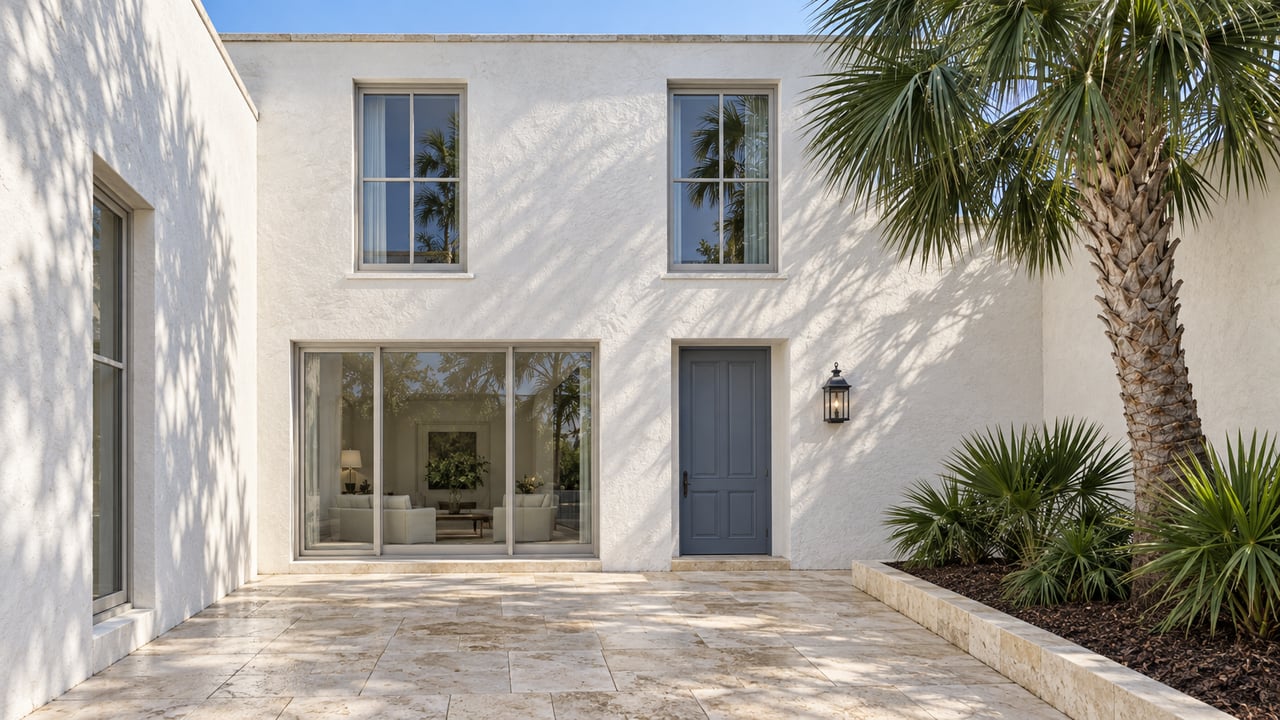
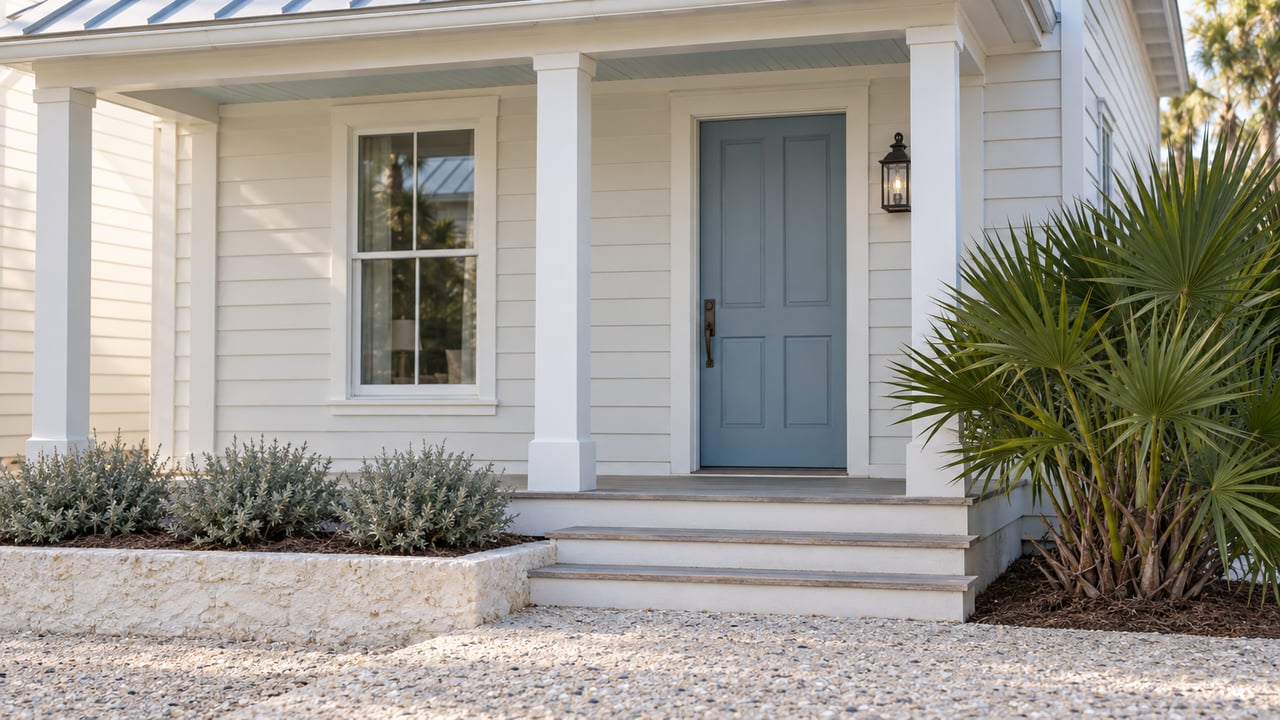
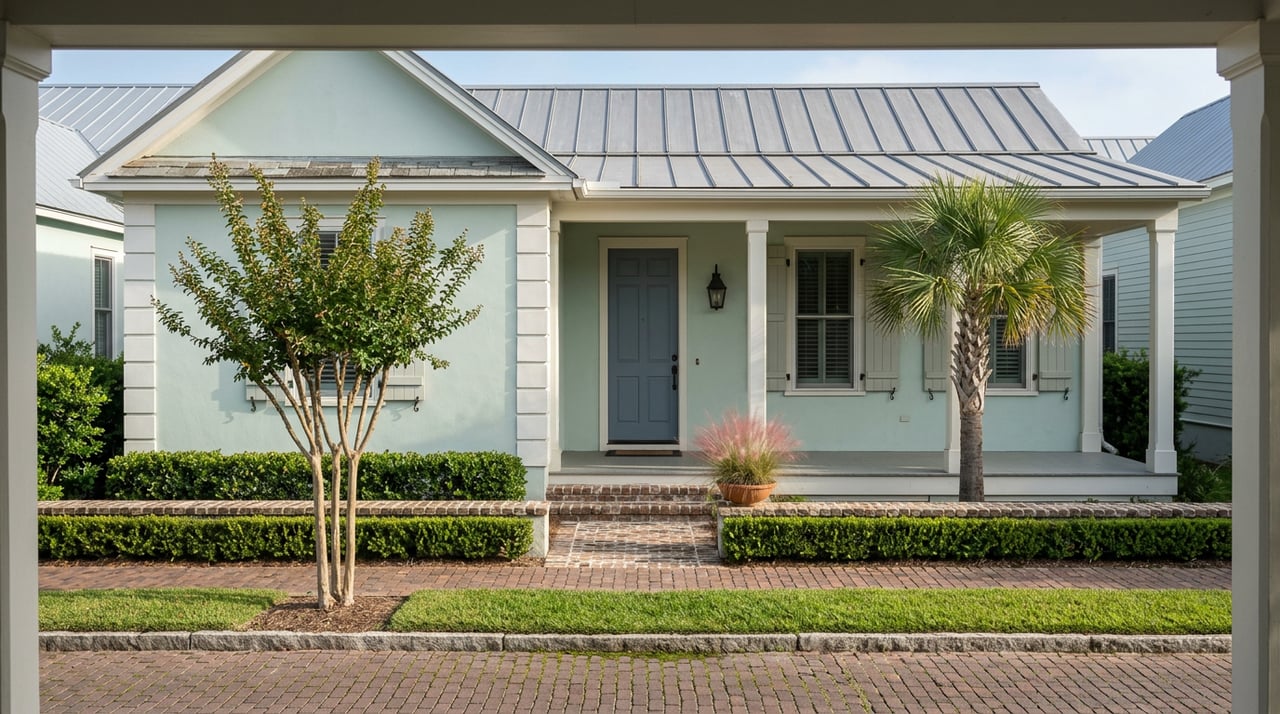
If you are shopping for a vacation home in Seaside, you will notice that the housing stock leans cottage-forward. Public materials describe a community of 300-plus homes, along with shops, restaurants, and galleries, and the architectural code emphasizes small houses with front porches on small lots.
That means the value proposition is often different from other beach markets. You are not usually buying for yard size. You are buying for location within the town, beach proximity, walkability, and the experience of being in a closely connected coastal community.
Verify Each Property’s Specifics
Even in a community with a strong architectural identity, no buyer should assume every lot works the same way. Public sources do not provide one universal lot-size standard for all properties in Seaside.
Before you move forward, confirm the exact parcel boundaries, building envelope, setbacks, and parking details for the home you are considering. Those specifics can affect both personal enjoyment and long-term resale appeal.
What Vacation Rental Demand Looks Like
Seaside already has a well-established vacation rental ecosystem, which is one reason it attracts second-home buyers. The town says its Homeowner’s Collection is the largest vacation rental company in Seaside, with more than 190 private homes in its portfolio.
This matters because you are stepping into a market where guests already understand the destination. Seaside is not trying to become a vacation market. It already is one.
Guests Expect a Premium Stay
Seaside’s guest experience is shaped by convenience and walkability. Homes, dining, retail, and beach access are connected by sidewalks, paths, and open greens, and most guests can reach the Gulf with a short walk.
The community also offers amenities that support the vacation-home appeal. Seaside says there are three pools, including a heated lap pool, that are exclusive to homeowners and guests.
Walton County Supports the Big Picture
Countywide short-term rental data adds helpful context for buyers. Walton County’s FY2025 short-term rental report shows 6,786 active business accounts, 8,600 applications reviewed, 2,600 properties added, and an average nightly rate of $542.
Those figures are not Seaside-specific, but they do show that the broader 30A market is both premium and highly active. If you are evaluating Seaside as a lifestyle purchase with rental potential, that countywide backdrop is worth noting.
Understand the Rules Before You Buy
One of the most important things to know about owning a vacation home in Seaside is that this is a managed environment. That can be a strength for many buyers, especially if you value structure and a polished guest experience.
It also means you should go in with clear expectations. Parking, beach access, amenity use, and rental compliance all matter here.
Walton County Short-Term Rental Requirements
Walton County requires annual registration for short-term vacation rentals. According to the county, owners must first have:
- A DBPR license
- Florida Department of Revenue registration
- Walton County tourism-tax registration
The county’s fee schedule lists:
- $300 per property for individual registrations
- $227 per property for community registrations
- $500 per day for operating without registration
Walton County also states that short-term rentals may be permitted in many residential zones, but properties still must meet compatibility, parking, occupancy, and design standards.
Seaside Is Guest-Friendly, but Structured
Seaside offers a strong guest experience, but it is not an open-ended beach market. The town’s pools are reserved for homeowners and guests, and beach access and chair setup are managed through specific rules.
In practice, that means owners benefit from a more organized environment. It also means you should review the operational details carefully so there are no surprises for you or your guests.
Beach Access and Amenity Rules Matter
In Seaside, beach setup is part of the ownership and rental experience. The town says that when a guest books a vacation home rental, access is tied to the pavilion on the street where the home or cottage is located, with access determined by street HOA rules.
That is an important detail if you are buying for both personal use and rental appeal. Not every ownership experience is identical, and pavilion access can shape how your guests use the beach.
Town Center and Public Access Work Differently
Seaside also notes that public access to Coleman Pavilion is available through Cabana Man by chair rental. Town Center beach access is reservation-only and requires a chair rental, and personal chairs, umbrellas, tents, and larger coolers are not permitted there.
The town further states that the former public access between Seaside and WaterColor is no longer a public Seaside access point and is now privately owned by WaterColor. For buyers, the takeaway is simple: verify exactly how beach access works for the specific property you want.
Parking Can Affect Ownership and Rentals
Parking is another issue that deserves close attention before you buy. Seaside’s public FAQ says most overnight parking is included with lodging, but parking can be more limited during peak periods.
That may be fine for some owners and guests, especially in a highly walkable setting. But if you are used to larger beach properties with more flexible parking, this is an area to evaluate carefully.
Managed Parking Is Part of the Seaside Experience
Seaside uses a managed parking program with paid zones around Smolian Circle. The town also offers a complimentary shuttle from a designated lot off Highway 331 South to the Lyceum Archway in the town center, with daily service from 6 a.m. to midnight.
For Town Center stays, Seaside says vacation rental agencies provide parking passes for designated guest areas. As a buyer, it is wise to confirm how many spaces come with a home and where those spaces are located.
How Seaside Compares With Nearby 30A Communities
Many second-home buyers compare Seaside with other 30A communities before deciding where to focus. Seaside occupies a distinctive position because it blends strong design identity, beach-town walkability, and established rental appeal.
Here is how it differs from several nearby options based on public community information.
Seaside vs. WaterColor
WaterColor is a 500-acre resort community between the Gulf, a coastal dune lake, and longleaf pine forest. Its major amenities include WaterColor Beach Club and Camp WaterColor, giving it more of a resort-and-recreation profile.
If you want a larger resort footprint, WaterColor may appeal to you. If you want a more compact, town-centered environment, Seaside may feel like the better match.
Seaside vs. Alys Beach
Alys Beach is a 158-acre community with a walkable Town Center, private beach club access, wellness amenities, and strong privacy controls. Its public policies create a more private and tightly curated feel.
Compared with Alys Beach, Seaside often feels more open and more traditionally town-oriented. Buyers who prioritize Seaside are often drawn to its established streetscape and cottage-driven character.
Seaside vs. Rosemary Beach
Rosemary Beach uses a traditional neighborhood plan with pedestrian lanes, footpaths, boardwalks, alley parking, and 12 basic building types. It is one of the closest comparisons for buyers who appreciate New Urbanist design.
Even so, Rosemary Beach can read as more formally controlled in its code and layout. Seaside offers a similar walkable philosophy, but with its own long-established identity and rhythm.
Seaside vs. Grayton Beach
Grayton Beach is one of the oldest residential communities on Florida’s Gulf Coast and is known for preserving its historic character. It is less master-planned than Seaside and often appeals to buyers looking for an older, more eclectic Old Florida feel.
If you want structure, design continuity, and a strong vacation-home framework, Seaside may be the better fit. If you prefer a less planned setting, Grayton Beach may be worth a look.
Who Seaside Fits Best
Seaside is often a strong fit if you want a second home that works for personal enjoyment and can also support a premium rental experience. It especially suits buyers who value multigenerational use, easy beach access, and the ability to enjoy a walkable town without relying heavily on a car.
On the other hand, it may be less ideal if your priority is a large private lot, flexible parking, or a looser ownership environment. The better your expectations match the community, the more likely you are to feel confident in your purchase.
Key Questions To Ask Before You Buy
Before you purchase a vacation home in Seaside, make sure you confirm the details that affect both lifestyle and operations.
Ask about:
- Exact lot boundaries and setbacks
- Building envelope limitations
- Number and location of parking spaces
- Street-level pavilion access
- Beach setup rules tied to the property
- Community or HOA rules that affect rental use
- Registration steps required for short-term rental operation
These questions can help you avoid assumptions and make a better-informed decision.
If you are thinking about owning in Seaside, the right guidance can make all the difference. The best purchase is not just a beautiful home. It is a property that matches how you want to use it, what your guests will expect, and how the community actually operates. To talk through your options along 30A, connect with The Lauderdale Group.
FAQs
What should you know about Seaside home sizes and lot layouts?
- Seaside is known for cottage-style homes on relatively small lots, and buyers should verify the exact parcel, setbacks, and building envelope for any property they are considering.
What should you know about Seaside vacation rental rules?
- Walton County requires annual short-term rental registration, and owners must also have DBPR licensing, Florida Department of Revenue registration, and Walton County tourism-tax registration before operating.
What should you know about Seaside beach access for vacation homes?
- Beach access for vacation rentals is tied to the pavilion on the street where the home or cottage is located, with access determined by street HOA rules.
What should you know about Seaside parking for owners and guests?
- Parking is managed in Seaside, and buyers should confirm how many parking spaces come with a property, where they are located, and how peak-season conditions may affect guests.
What should you know about Seaside compared with other 30A towns?
- Seaside offers a compact, walkable, design-focused beach-town experience that sits between WaterColor’s larger resort feel, Alys Beach’s private luxury, Rosemary Beach’s formal New Urbanist structure, and Grayton Beach’s older historic character.
What type of buyer is usually a good fit for owning a vacation home in Seaside?
- Seaside is often a good match for buyers who want personal enjoyment, multigenerational use, strong walkability, and a premium rental experience within a structured community setting.